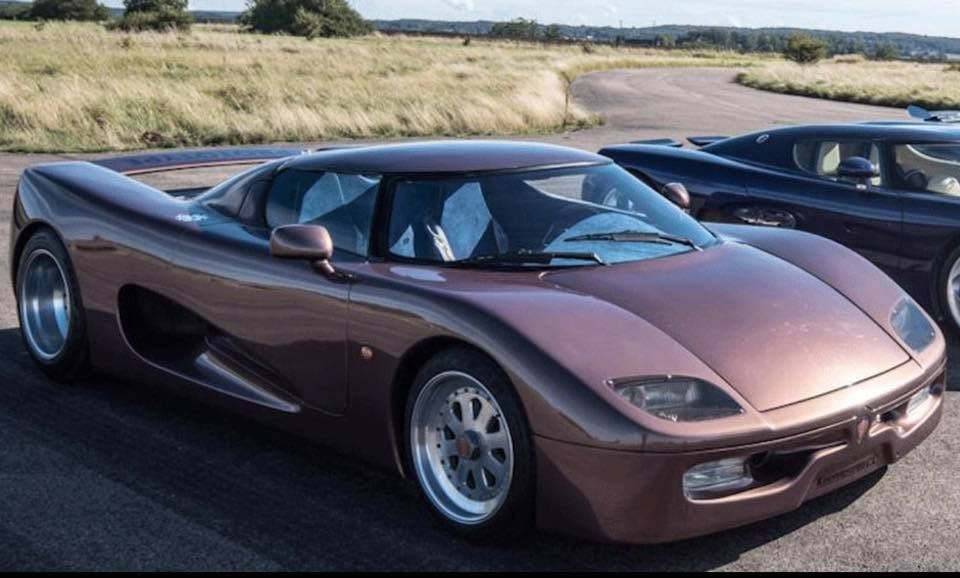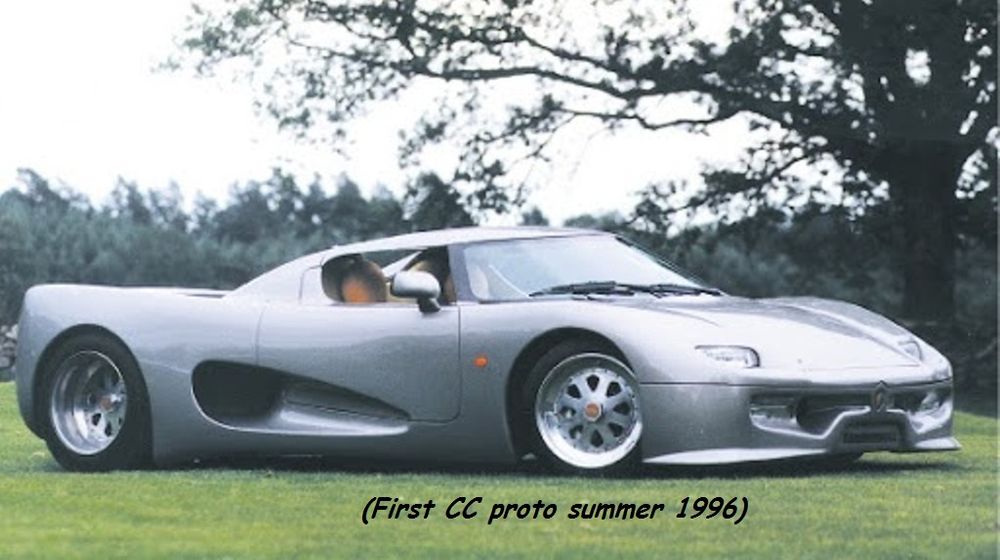
There it is... 1996
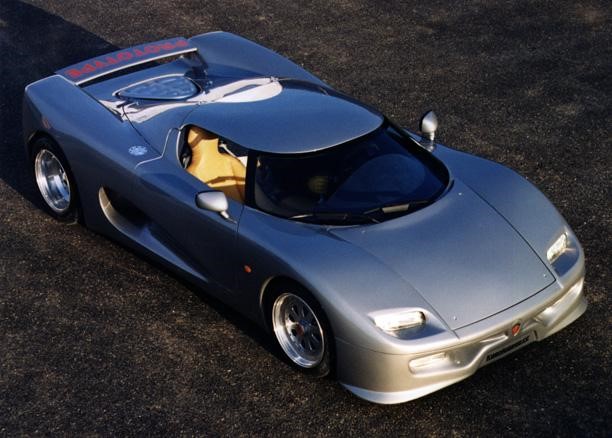
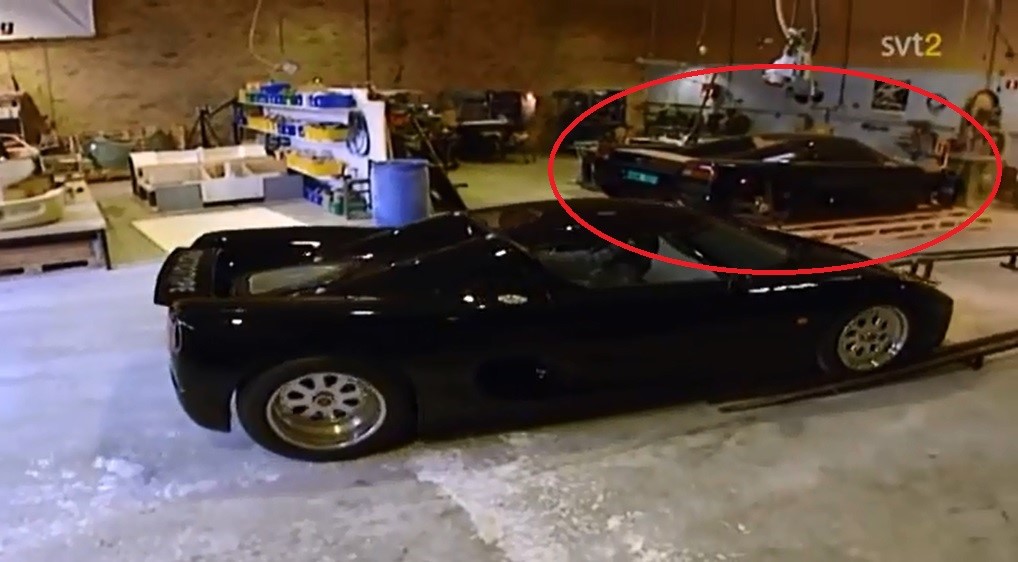
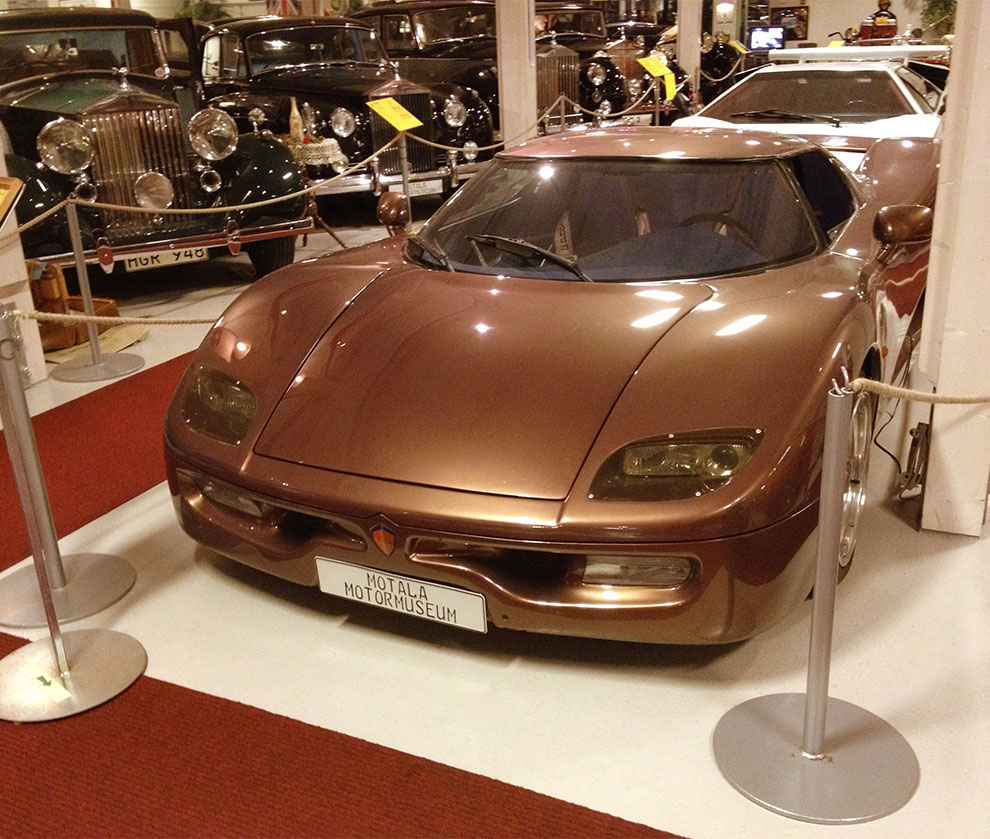
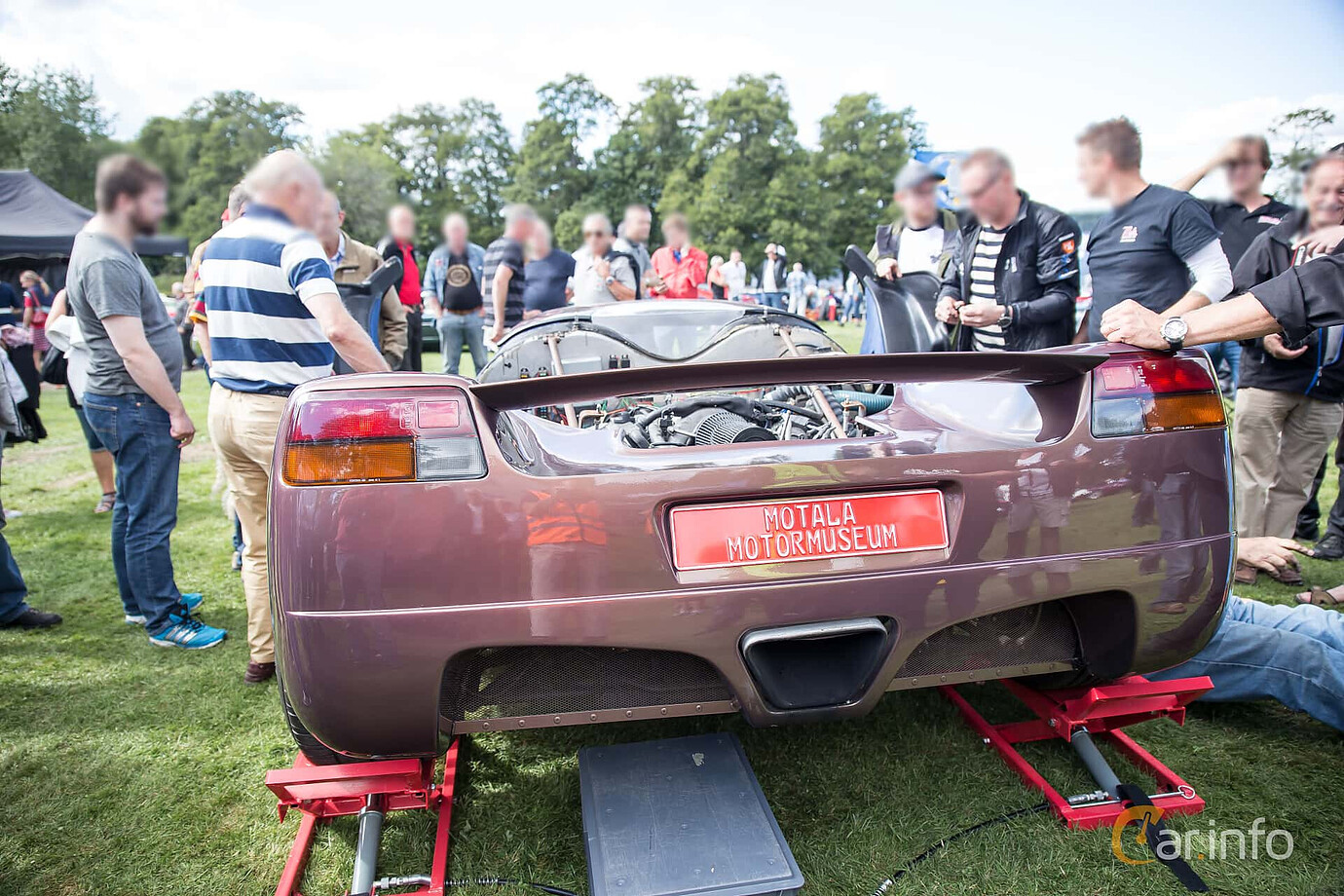
the very first Koenigsegg CC Prototype XP001
In 1996, Koenigsegg had managed to get the CC fired up and running albeit with the fibreglass shell and while it wasn’t anywhere near sophisticated, it was good enough for Christian that the Audi engine ran well. But the most important bit for Christian was that the hardtop roof was removable and it fit well according to his designs. This gave the car a luxury no other car had at the time. All this was done in a span of 18 months and with people who agreed to help Christian at little or free cost. The biggest step forward came in hiring engineer and programmer Dag Bölenius, who wrote a bespoke chassis-handling simulation program.
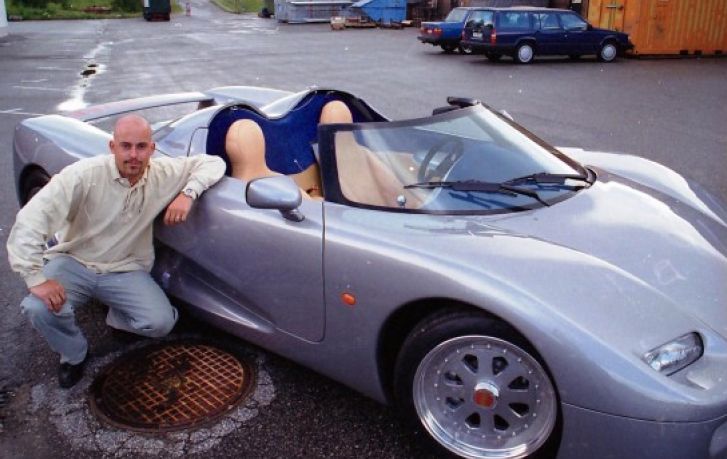
"We managed to find geometry chassis data on cars such as the Ferrari F40, McLaren F1 and Ford GT40. We punched in mass, centre of gravity, tyre spec and weight distribution to help us understand the philosophies used – then we came up with our own.” - Dag Bölenius
However, at this stage Svenharry’s work was over and decided to leave the team and venture on his own path. Christian and his father had paid him for his modest work that he was able to get the prototype running and complete the bodywork and in this process bought the Sethera Falcon chassis from Svenharry. Even Mikael decided to venture off as automotive wasn’t his thing. Based on the calculation and data given by Dag, Koenigsegg developed a new chassis with better reinforced materials, suspension, brakes, cooling, aerodynamics and slightly more refined body all based on the Sethera Falcon platform. So ultimately, a car meant to be a promotional entity for a beer company ended up serving Christian Von Koenigsegg in building his dream car.
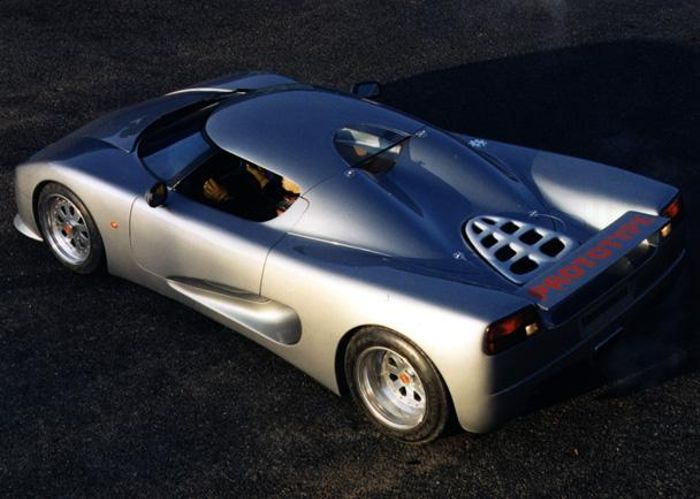
By the summer of 1996, the Koenigsegg CC prototype was finished and ready for a shakedown. The engine was tuned up as well. New fuel injectors, air intake, exhaust and a dry sump lubrication were added improving the engine performance. All this meant the Audi 4.2L V8 was producing between 550 to 600 bhp mark and could theoretically go past 320 km/h thanks to the low weight of just 700 kgs. The car was also presented to the media for the first time and the Swedish media responded with positive feedback as a potential contender to the German or Italian sports car makers.