
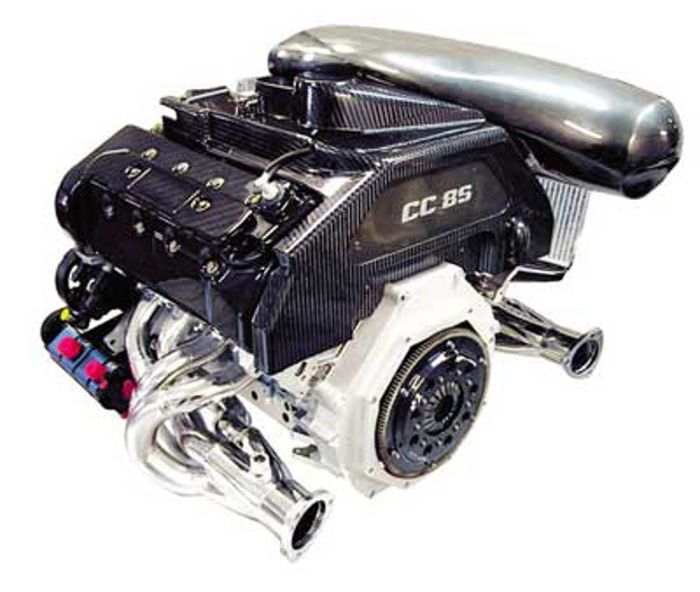
Engine Choice
Christian was delighted with the Koenigsegg® CC no.3 prototype performance. He went to Audi® and told the executives about the engine and the performance of the CC stating he wants to put the car into production. But it didn’t go well. So he found a Subaru® 4.0L Flat-12 engine to be a perfect match for his car. Here’s how he described it in his AMA:
Our first prototype, finished in 1996, had a standard Audi® V8 with a standard Audi® V8 transaxle. I didn’t have the ambition at that time for us to build our own engine from scratch, though I didn’t want to just have a standard Audi® V8, either. I wanted to tune it, to take it to 550-600hp. So I went to Audi® and I said “Hi, I’m Christian and I’m going to build sports cars. Can you supply me with engines?” and they were surprisingly positive about it – until I mentioned that I was going to tune it.
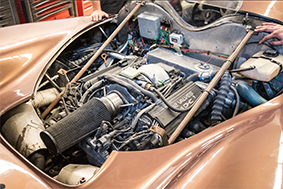
We had a lot of discussions back and forth and they were interested in doing business, but they weren’t interested in their engines being tuned by others. We almost found a back-channel through an industry supplier in Denmark and we even signed an engine supply contract thinking that we’d be OK buying them this way, but Audi® heard about it and shut that avenue down, too. So we had this prototype, based around a particular setup that we thought we could use and we had no engine supplier. We could have sued but I didn’t want to go down that path.
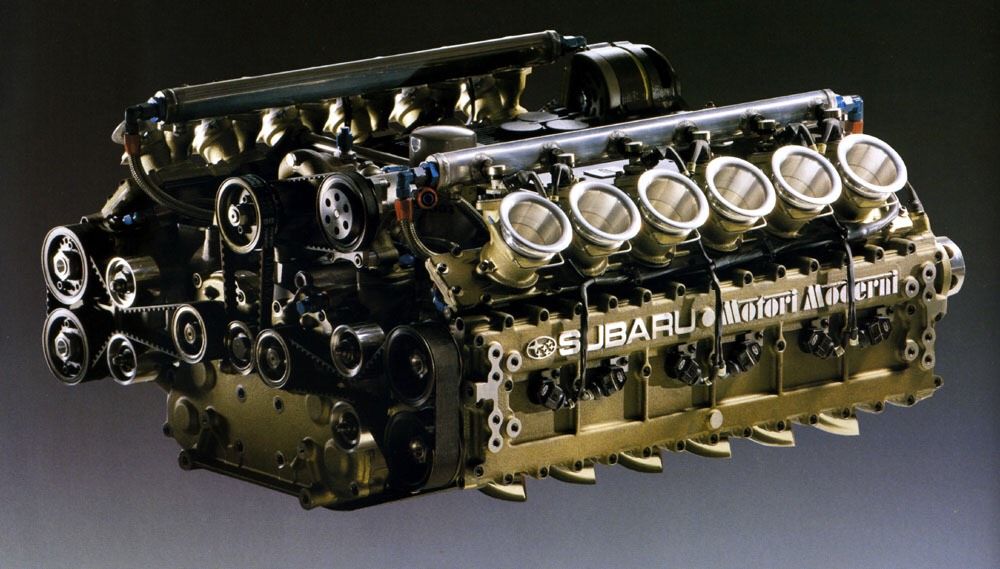
I met a guy who knew Carlo Chiti via a chain of friends. Chiti ran an engine company called Motori Moderni. They were in a bit of trouble but they used to do Formula 1 engines for Minardi. They had this boxer-12 engine, made in cooperation with Subaru, that had hardly ever raced. They had trouble with the weight and getting the diffusers to work with the layout of the F1 car once the engine was in.
The 12 cylinder engine wasn’t successful in Formula 1 but Motori Moderni had great success building other engines for Alfa Romeo® to use in DTM® racing. They had proven their worth, so they were worth talking to.
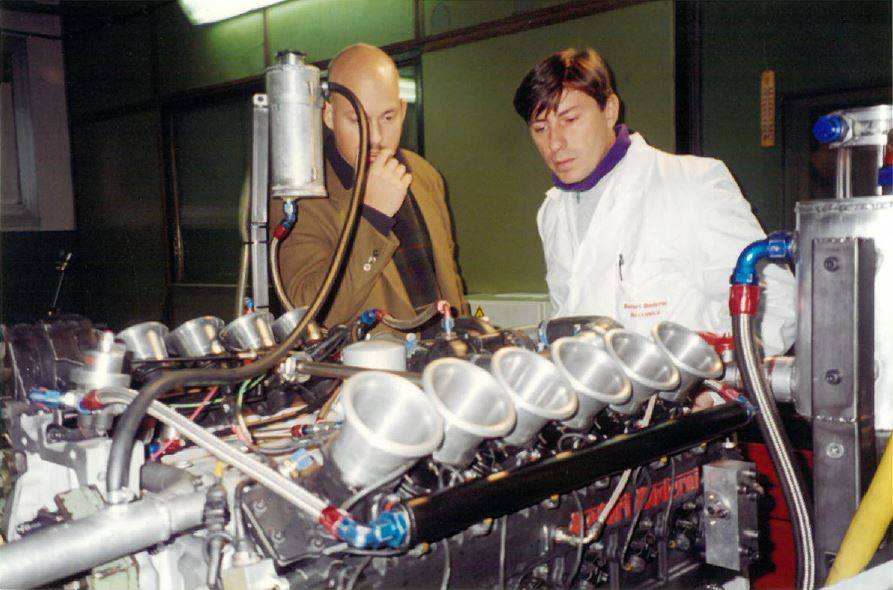
Unfortunately, around this time, Carlo Chiti died and the company filed for bankruptcy. We had received two engines from them (which we still have) but once again, we found ourselves with no engine supplier.
We went and met with them and they were very open. They said they could modify their 3.5 litre flat-12 engine for us. Similar engines had been used in offshore boat racing with twin turbos on them, so we were confident enough in their durability. They put together a 3.8 litre flat-12 and they lowered the RPM from 12000 to 9000. They put different camshafts on it, they stroked it, put in longer intake tracts. It was set up to get 580hp at 9000rpm and I have the dyno tests from where we ran that engine.
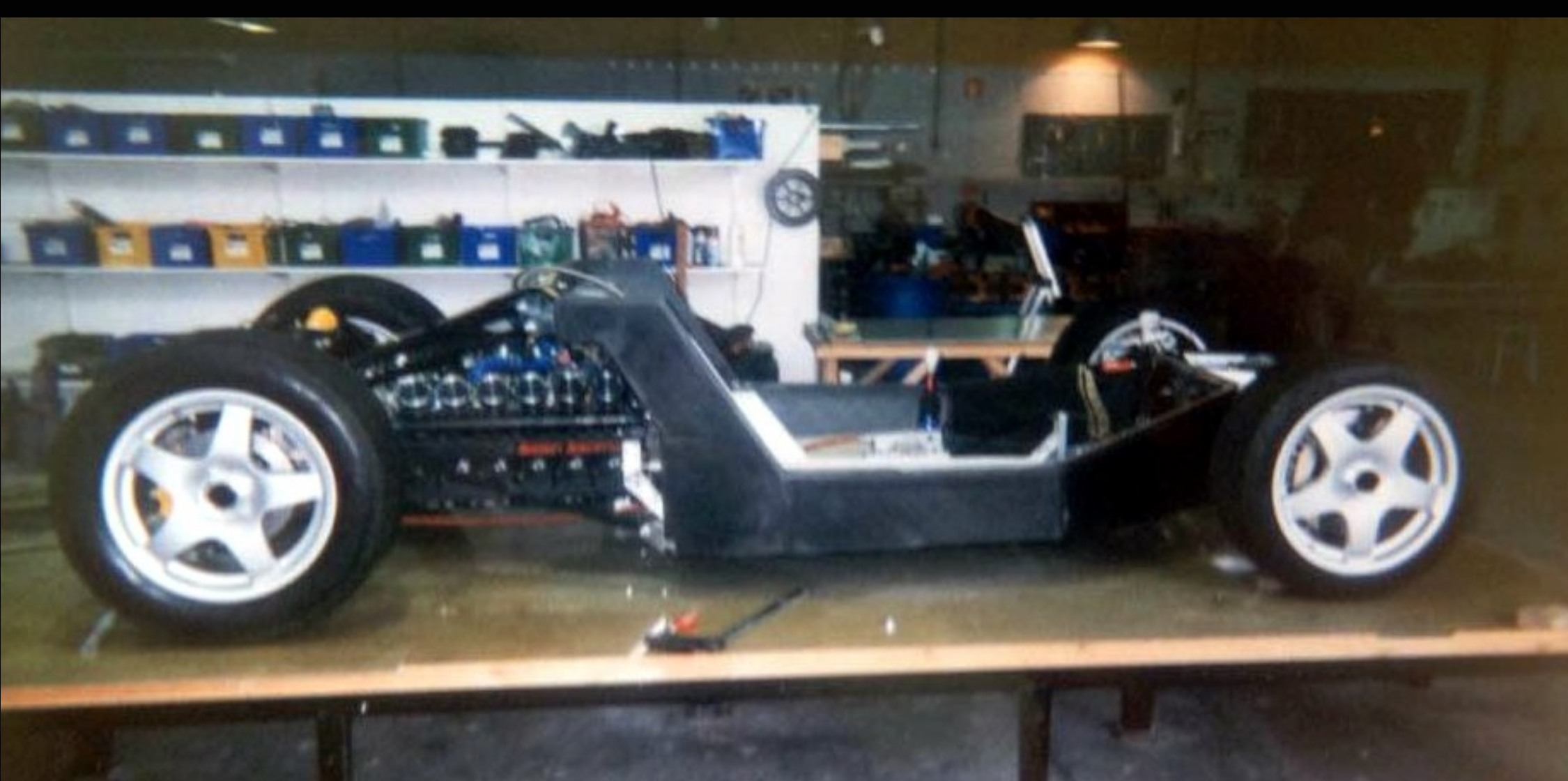
When we first designed the Koengisegg® (CC) monocoque, it was designed for that engine and it was the first engine we put in there. The engine mount positions for that engine are still used in the Agera today.
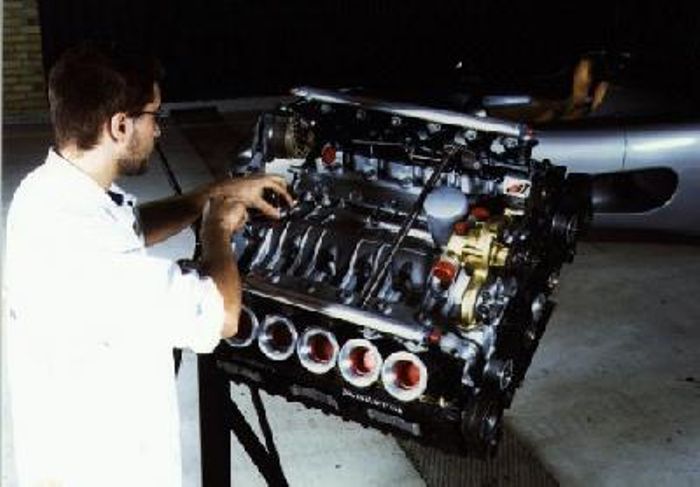
In early 1997, I ended up winning an auction to buy some of the company’s assets. I got all the tools, the drawings, the castings and some spare parts for the engines. Some of that went up in flames at the old factory. We thought that maybe, with all that equipment, we could build our own engines from Chiti’s designs but when we got the equipment back to Sweden and started sorting it all out, it was a nightmare. There we no computerized drawings. It was all drawn by hand. A lot of the tooling was old and made from wood and it was quite beaten up.
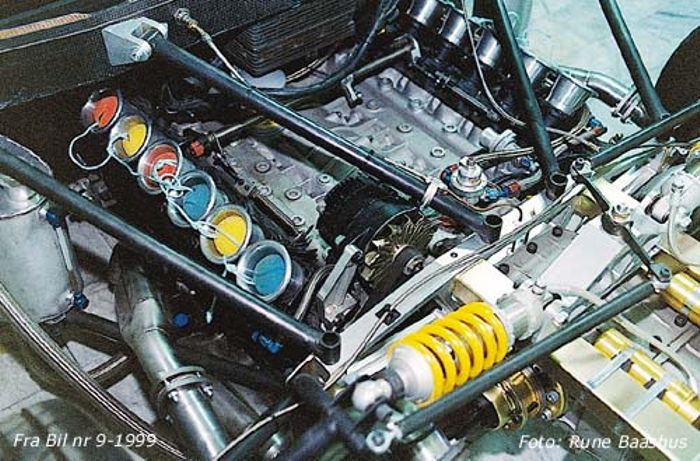
Would the engine have been viable for the future? Certainly at first. It was quite amazing, actually. The whole engine block was under the centre of the rear axle, which gave us a super-low centre of gravity and looked very cool when you opened the rear hood of the car. There was no vibration whatsoever, which is why we decided to bolt it to the monocoque – it was wide, low and solid, so it acted just like a chassis member.
The downside of that engine is that it would never have taken us to the level we are at now. It would have been good up to about 750hp with turbo, but that would have been it.
After the failure of the Subaru® flat-12 engine, Christian was running out of ideas. He contacted an American Supercharging company which would supercharge Ford engine and sell as a crate engine. Christian got hold of the engine, a Coyote 4.7L V8 with an aftermarket supercharger and test fitted in their pre-production CC prototype. But immediately, there was a big problem - the crate engine was build for competition purpose meaning it needed high octane race fuel and it blew the rings given the high compression ratio and standard fuel they ran the engine on. So they found themselves with another challenge. They had to modify the internals to make it work or buy another engine. Christian realised that with almost no money left, he had to make do with what he had.
Again we saw ourselves with an engine that was no good, but we had to make it work. Changing the engine for the fourth time was not an option: we had to adapt.
The work began by changing the internals of the engine. They had to make the engine run accordingly to the given restrictions of emissions and power usability. They bought the appropriate parts that suited their engine. They changed the pistons, piston rings, connecting rods, bearings, ECU and put on another supercharger. Then they fitted it with their own in house designed air intakes, exhaust system, flywheel, clutch, dry sump and intercooler. At this point they got their first patent with the “Rocket” catalyst, which created a natural overflow over the pre-catalyst to reduce return pressure at high revs. This gave the CC an extra 150 hp compared to previous homologated solutions at the time.
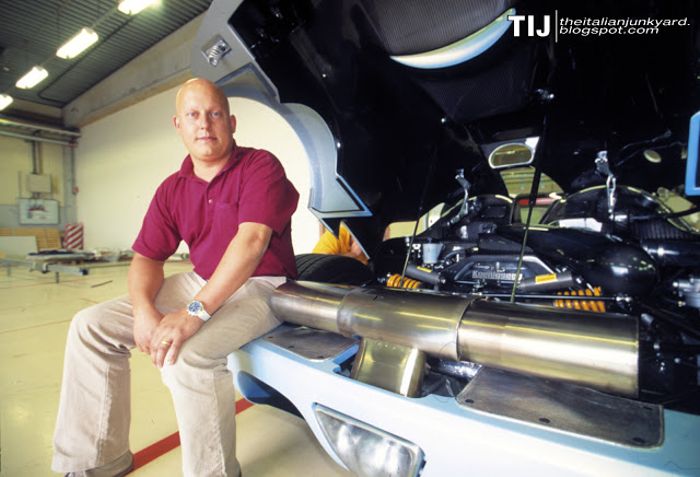
In short, we started designing our own things and building the engines from scratch here in the factory. Some people think we bought Ford® engines and put them in our car, but that never happened. We use modified Ford® parts, allied to our own parts, in these first engines. - Christian von Koenigsegg
With the engine running, the now modified 4.7L supercharged Ford® Coyote V8 was producing 655 bhp. The car would undergo more a through test session before making the final verdict for production. Koenigsegg® started his work on the body. With lessons learnt from the CC prototype 1,2 and 3, they would go on refining the shape, adhering to Christian’s and Crafoord’s philosophy of an efficient and minimalistic design approach. With a supercharged V8 engine, Koenigsegg® named the new car the CC8Swith 8 designating the cylinders and S designating Supercharged induction.
XX1 Chassis was finished in 1997/1998 with the B12 engine. Manufacturing of body parts after the clay model was started in 1999. The B12 engine was connected to the rear wheels via a six speed Quaife gearbox and the name CC B12 was still in the air (in this period "CC" was for Carlo Chiti)
